What is a programming language?
A programming language is a set of rules, symbols, and syntax that allow programmers to create instructions that can be executed by a computer. It provides a way for humans to communicate with machines and give them specific instructions to perform various tasks.
So, you know how we talk to each other using words, like "hello" or "how are you"? Well, computers also understand a language, but it's a little different than ours. It's called a programming language, and it's a way for people to tell the computer what to do.
Just like how we use words to give instructions to someone, we use programming languages to give instructions to a computer. These instructions are called "code".
Each programming language has its own set of words and rules that we use to write code. Just like how different languages like English, Spanish, or Chinese have different words and rules, programming languages have their own unique words and rules.
When we write code using a programming language, the computer reads it and follows the instructions we gave it. This is how we can make the computer do all sorts of cool things, like create websites, create applications or even create art!
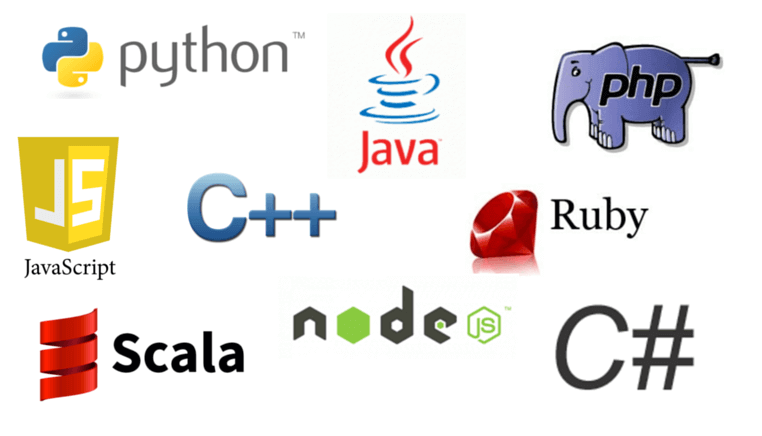
Examples of programming languages
 1. Python: A high-level, general-purpose programming language that is easy
to learn and has a large number of libraries for data science, machine learning,
and web development.
 2. JavaScript: A programming language that is used for developing dynamic web
applications, native-like mobile applications and interactive user interfaces.
 3. Java: A popular, object-oriented programming language that is used for
developing desktop and mobile applications, web applications, and server-side software.
 4. C++: A high-performance, low-level programming language that is used
for developing operating systems, game engines, and system software.
 5. C#: A modern, object-oriented programming language that is used for developing
Windows applications, mobile apps, and web applications.
 6. PHP: A server-side scripting language that is used for developing dynamic
web pages and web applications.
 7. Swift: A modern, object-oriented programming language that is used for developing
iOS and macOS applications.
 8. Ruby: A dynamic, object-oriented programming language that is used for
developing web applications, scripting, and data analysis.
 9. Kotlin: A modern, statically typed programming language that is used for
developing Android applications, server-side applications, and web applications.
Areas where programming languages are applied
1. Web development: Programming languages like HTML, CSS, and JavaScript are used to create websites, web applications, and web-based software.
2. Mobile app development: Programming languages like Swift and Kotlin are used to develop mobile apps for iOS and Android devices.
3. Data science and analytics: Programming languages like Python and R are used for data analysis, machine learning, and artificial intelligence.
4. Game development: Programming languages like C++, Java, and Python are used to create video games for different platforms.
5. Desktop application development: Programming languages like Java, C#, and C++ are used to create desktop applications for different operating systems.
6. Robotics: Programming languages like Python and C++ are used to program robots to perform various tasks.
7. Operating systems and system programming: Programming languages like C, C++, and Assembly are used to develop operating systems, drivers, and system software.
9. Embedded systems: Programming languages like C and Assembly are used to program embedded systems like microcontrollers and IoT devices.