Kyoto, Japan
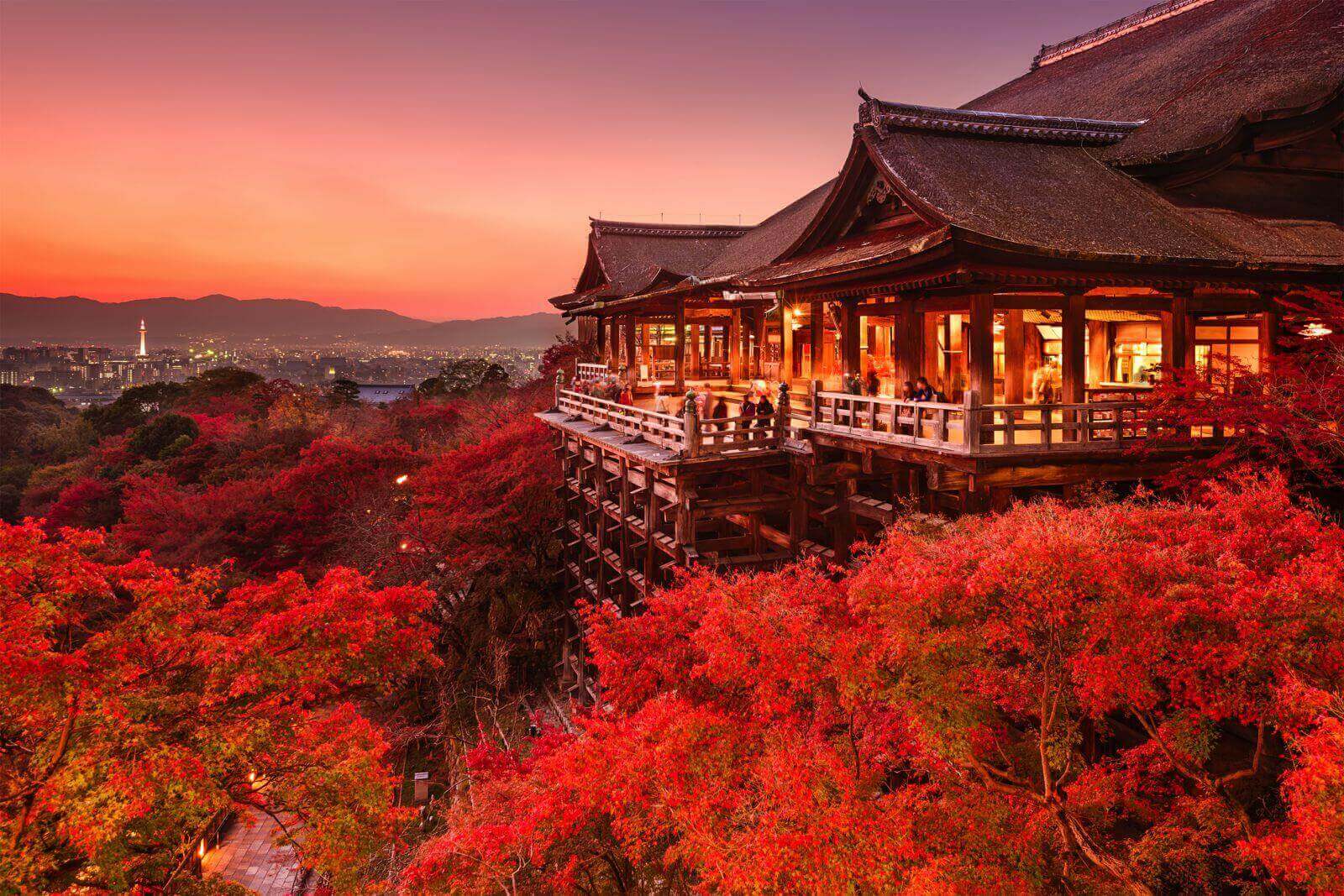
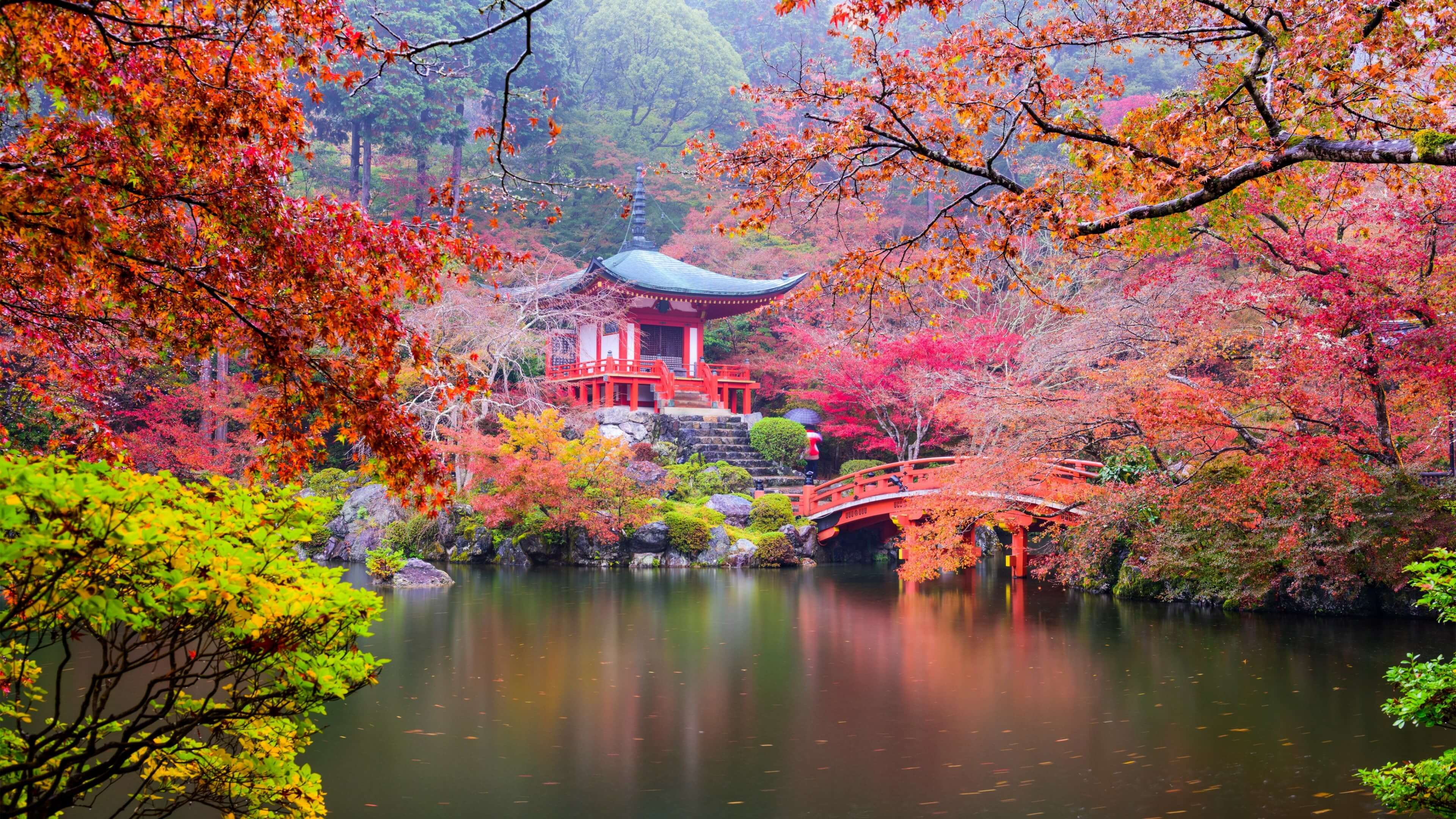
In the heart of Japan's Kansai region lies a city that beckons travelers to step back in time and immerse themselves in the graceful elegance of Japanese culture. Kyoto, often referred to as the "City of Ten Thousand Shrines," is a living testament to the country's rich history, cherished traditions, and natural beauty. With its ancient temples, traditional tea houses, and serene gardens, Kyoto is a destination that invites visitors on a journey through time.
A Tapestry of Temples and Shrines
Kyoto boasts an unparalleled concentration
of temples and shrines, each a testament to the city's
spiritual heritage. Among them, Kinkaku-ji (the Golden
Pavilion) stands as a shimmering masterpiece. Its exterior
is cloaked in gold leaf, and it reflects its splendor in
the still waters of a pond, creating a breathtaking scene.
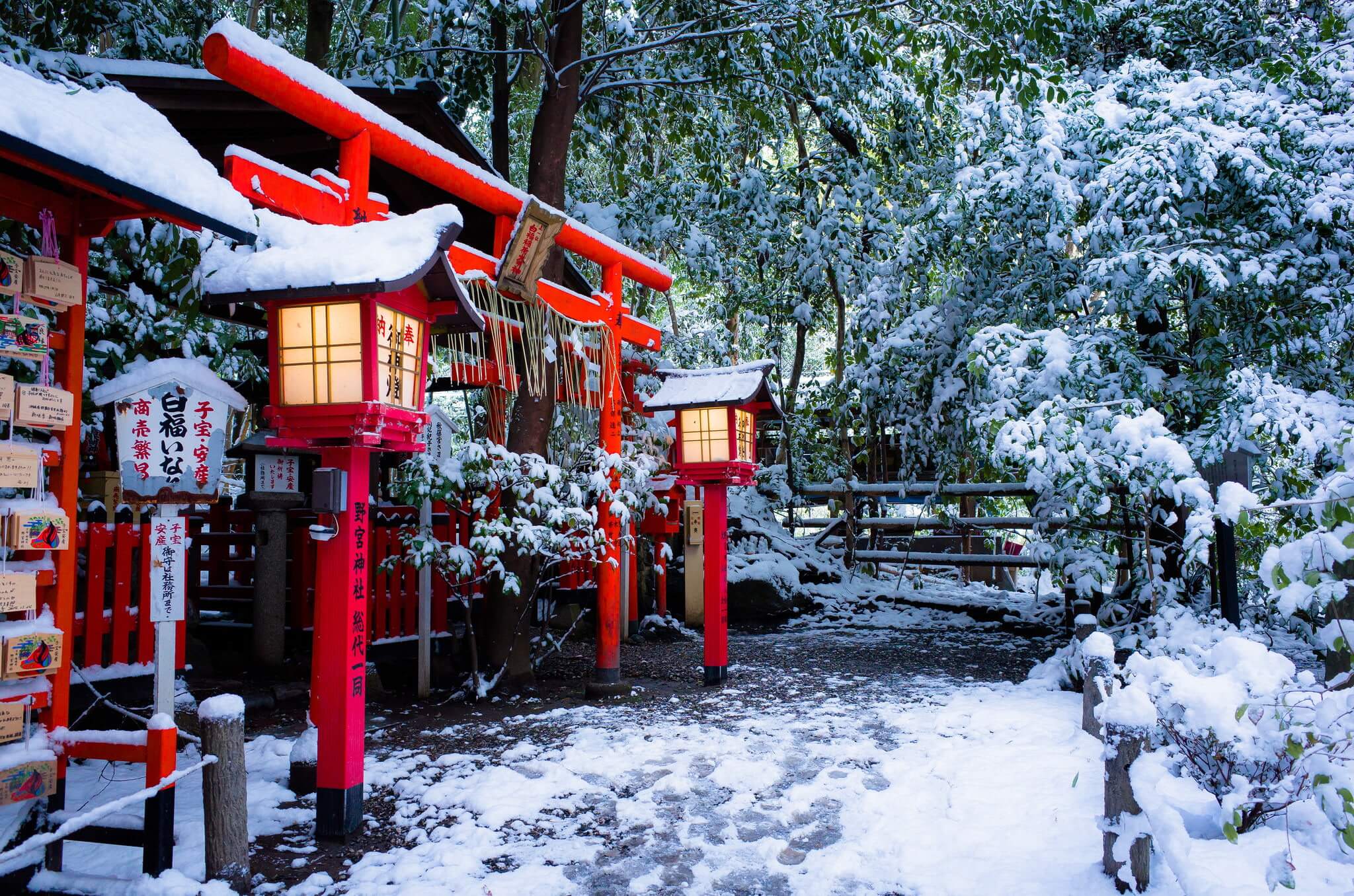
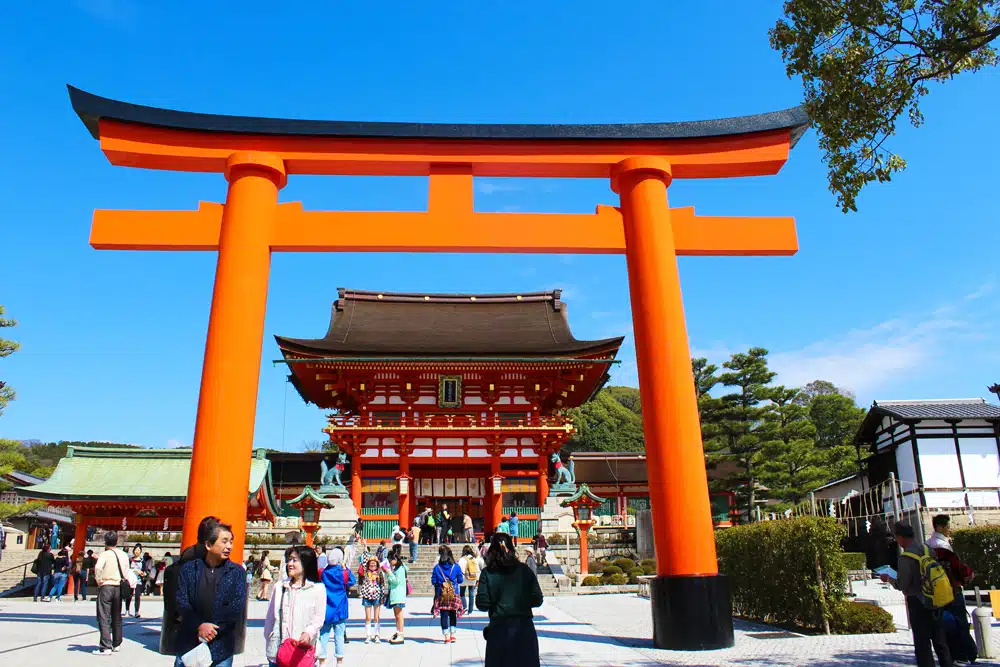
Fushimi Inari Taisha, dedicated to the Shinto god of rice,
Inari, is renowned for its thousands of vermilion torii
gates that form winding pathways up the sacred Mount Inari.
It's a place of serene beauty and spirituality.
A Journey Through Tradition
Kyoto is a treasure trove of traditional
Japanese culture. The Gion district, with its narrow
cobbled streets and wooden machiya houses, transports
visitors to a bygone era. Here, geisha and maiko
(apprentice geisha) can occasionally be glimpsed,
shrouded in their elegant kimonos.
The art of the tea ceremony is deeply rooted in Kyoto.
Visitors can partake in this ancient ritual in
traditional tea houses, sipping matcha (green tea)
and experiencing the meticulous choreography of the
ceremony.
Nature's Serenity
Amidst the cultural richness, Kyoto's natural beauty shines brightly. The Arashiyama Bamboo Grove is a mesmerizing experience, where tall bamboo stalks create a surreal, tranquil atmosphere. Nearby, Tenryu-ji Temple and the Iwatayama Monkey Park offer additional opportunities to connect with nature.
The Philosopher's Path, named after philosopher Nishida Kitaro, offers a tranquil walk along a canal lined with hundreds of cherry trees. In spring, it becomes a tunnel of pink blossoms. Kyoto's gardens are masterpieces themselves, with Kyoto Imperial Palace Park showcasing meticulously maintained landscapes.
Culinary Delights
Kyoto's cuisine is a celebration of tradition and seasonal ingredients. Kaiseki, a multi-course meal that beautifully presents local flavors, is a culinary experience not to be missed. Yudofu, featuring tofu simmered in a hot pot with various ingredients and dipping sauces, is another Kyoto specialty.
Festivals and Celebrations
The Gion Matsuri, held in July, is one of Japan's most famous festivals. Elaborate floats, parades, and traditional performances fill the streets, drawing both locals and visitors into the vibrant celebrations.Cherry blossom season, or hanami, is another joyous time in Kyoto. Parks become a sea of pink and white blossoms as people gather for picnics and reflection beneath the cherry trees.
Access and Hospitality
Kyoto is easily accessible by train from major Japanese
cities like Tokyo and Osaka. The city's transportation
network, including buses and trains, is efficient and
convenient. While Japanese is the official language,
English signage and some English-speaking locals make
navigation manageable for international visitors.
Kyoto welcomes travelers with a unique blend of history,
spirituality, and natural splendor. It is a place where
tradition thrives, and the beauty of the past harmonizes
with the present. A visit to Kyoto is an invitation to
embark on a timeless journey, where the elegance of
Japan's cultural heritage is preserved and celebrated.
Kyoto Guide