
Mental Health
Mental health refers to our overall emotional, psychological, and social well-being. It affects how we think, feel, and behave, and influences our ability to cope with the challenges of daily life. Good mental health is characterized by a positive sense of self-worth, the ability to form and maintain healthy relationships, and the ability to manage and regulate our emotions. Mental health encompasses a wide range of factors, including our genetics, our environment, and our life experiences. It is not simply the absence of mental illness, but rather the presence of positive mental health factors such as resilience, optimism, and a sense of purpose. Mental illness, on the other hand, refers to a wide range of conditions that affect a person's thinking, mood, or behavior. Examples of mental illnesses include depression, anxiety disorders, bipolar disorder, schizophrenia, and eating disorders, among others. These conditions can significantly impact a person's ability to function in their daily life.
Depression And Anxiety
Depression and Anxiety is the most common mental health issue that people battle daily. it is caused by sadness, loneliness, grief. This is a topic i will be approaching this topic from a more natural point of view than a logical one. Depression is linked to a lot of mental health issues... at the root of other mental health issues, you will find Depression, depression is like being colorblind and being constantly told how colorful the world is... Life is not easy for most people these days especially. And if you happen to face this problem of Depression, i want to remind you that you are not alone and most people face the same issue in private and just mask it in public, people are honestly going through a lot of issues that can't be seen on their faces when they're out in public or in your presence. Don't try to understand depression, It affects different people differently. Always be kind to others and yourself as well, always put yourself first when necessary.
OCD(Obsessive Compulsive Disorder)
Obsessive-Compulsive Disorder (OCD) is a mental health disorder characterized by intrusive, distressing, and repetitive thoughts (obsessions) and/or repetitive behaviors or mental acts (compulsions) that are aimed at reducing anxiety or preventing a feared event. OCD affects people of all ages, genders, and backgrounds.
Obsessions can manifest in various forms, such as contamination, symmetry, and orderliness, or harm and aggression. Compulsions, on the other hand, can involve repetitive physical or mental acts, such as cleaning, checking, counting, or seeking reassurance.
OCD can significantly impact a person's daily life, leading to distress, functional impairment, and avoidance of certain situations. Treatment for OCD typically involves a combination of medication and psychotherapy, such as Cognitive Behavioral Therapy (CBT) or Exposure and Response Prevention (ERP).
Note: It is important to seek professional help if you or someone you know is experiencing symptoms of OCD. A mental health professional can provide a diagnosis and develop a personalized treatment plan to manage symptoms and improve quality of life.
OCPD(Obsessive Compulsive Personality Disorder)
OCPD stands for Obsessive-Compulsive Personality Disorder. Also termed Perfectionism Anxiety It is a personality disorder characterized by a pervasive pattern of preoccupation with rules, orderliness, perfectionism, and control. People with OCPD tend to be inflexible, overly detail-oriented, and rigid in their thinking and behavior.
Some common traits of OCPD include a need for perfection, an excessive focus on details, a tendency to be excessively organized, a preoccupation with rules and lists, and a reluctance to delegate tasks to others. People with OCPD may also struggle with decision-making, have difficulty expressing emotions, and have a strong desire for control.
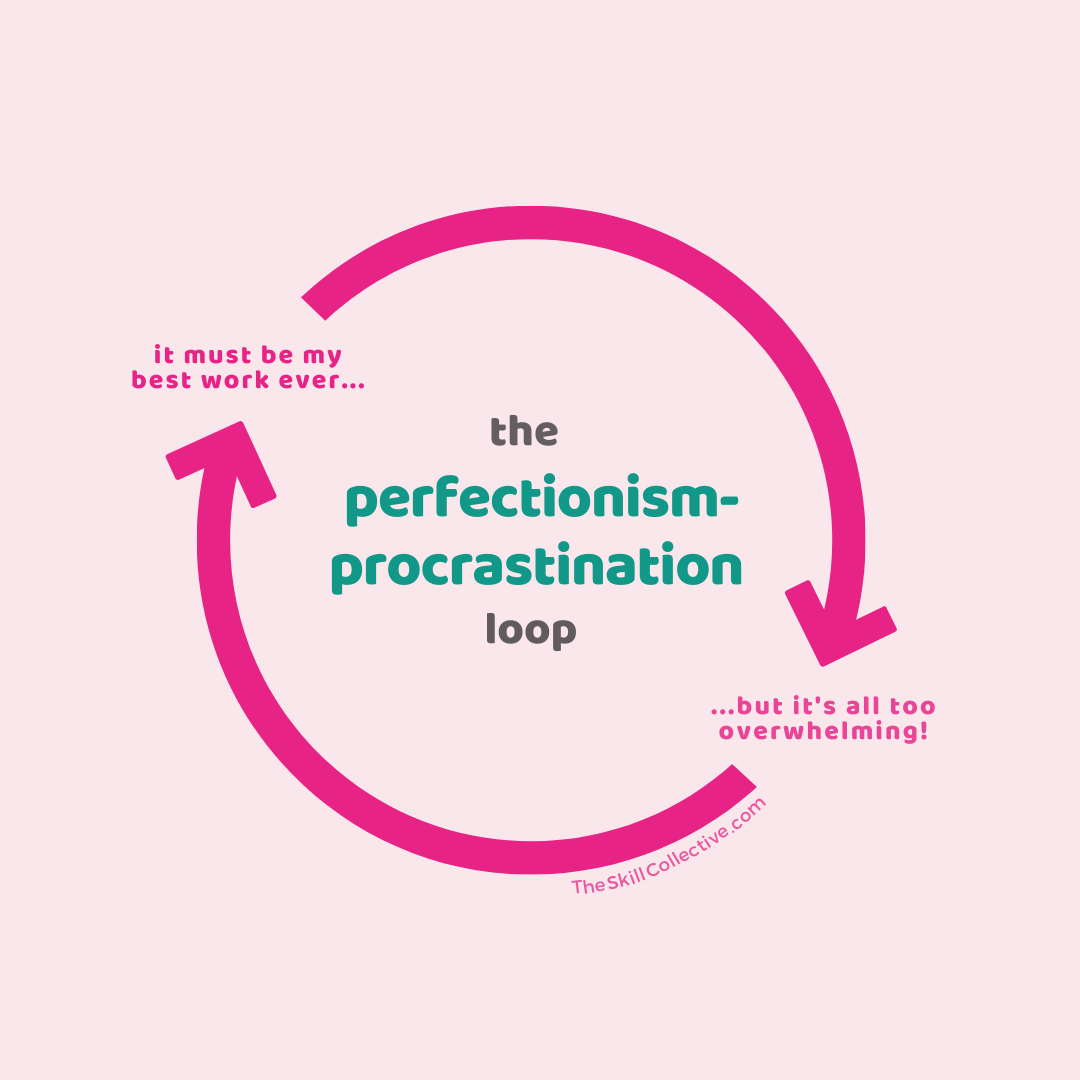
People with OCPD have rigid beliefs and specific ways of doing different tasks. They don’t allow for any flexibility and are unable to compromise with others. People with OCPD often don’t realize their behavior and way of thinking are problematic.
What is the difference between OCD and OCPD?
Even though they sound similar, obsessive-compulsive personality disorder (OCPD) and obsessive-compulsive disorder (OCD) are different conditions.
OCD is an anxiety disorder in which you have frequent unwanted and intrusive thoughts (obsessions) that cause you to perform repetitive behaviors (compulsions). Examples of compulsions include flipping a light switch a certain number of times or repeatedly washing your hands.
People with OCD usually are aware that the condition is causing their behavior and accept that they need professional help to treat it. People with OCPD usually have little, if any, self-awareness of their behaviors.
Symptoms of OCPD usually begin by early adulthood. A person with obsessive-compulsive personality disorder (OCPD) may: