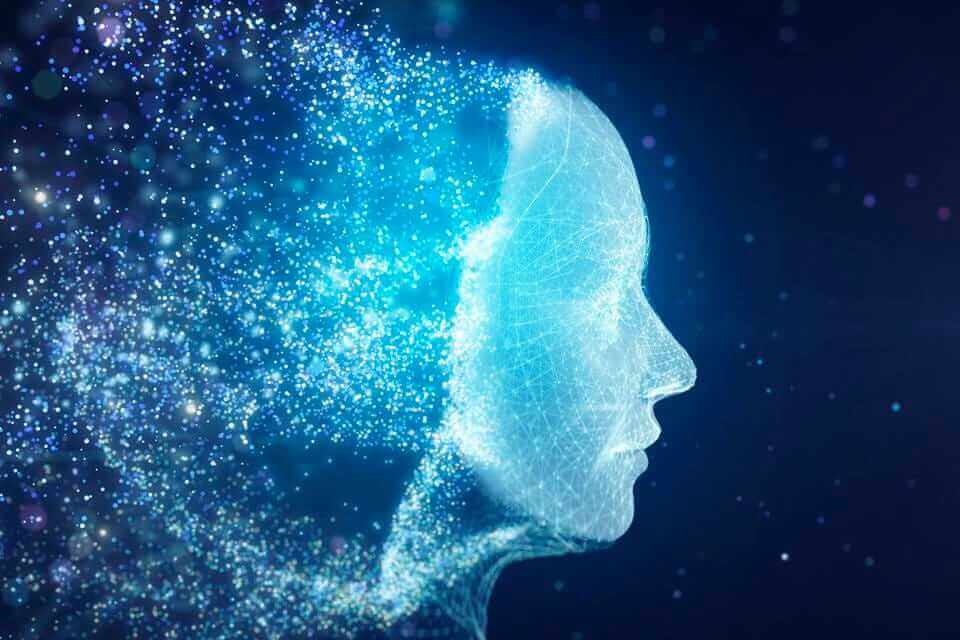
Artificial Intelligence
Artificial Intelligence, which is a field of computer science focuses on creating machines that can perform tasks that would typically require human intelligence to complete. AI systems can be trained to recognize patterns, learn from data, make predictions, and interact with humans or their environment. Some common applications of AI include image and speech recognition, natural language processing, decision-making, and robotics. AI can be divided into two categories: narrow or weak AI, which is designed to perform a specific task, and general or strong AI, which is capable of performing any intellectual task that a human can.
Will Artificial Intelligence take over?
ChatGPT's response to "whether ai will take over or not?"
“ As an AI language model, I can tell you that it is currently impossible for AI to take over the world or replace humans entirely. While AI technology is rapidly advancing and becoming more sophisticated, it still lacks the ability to replicate human emotions, creativity, and intuition. AI is designed to augment human intelligence, rather than replace it. However, it is important for society to continue to monitor the development of AI and ensure that it is used ethically and responsibly. There are concerns about the potential misuse of AI, such as using it to create autonomous weapons or to make biased decisions that discriminate against certain groups of people. It is up to us as a society to ensure that AI is used in a way that benefits everyone and upholds our values and principles ” — ChatGPT
Is AI doing more harm than good?
The impact of AI on society is complex and multifaceted, and it can have both positive and negative consequences. AI has the potential to revolutionize various industries, from healthcare and transportation to finance and entertainment. It can also help solve some of the world's most pressing challenges, such as climate change and food insecurity. AI can assist with research, data analysis, and decision-making processes. However, AI can also pose significant risks and challenges. One of the main concerns is the potential for job displacement, as AI and automation can replace many routine and repetitive tasks currently performed by humans. Additionally, there are concerns about privacy, bias, and ethics in AI development and deployment. There is also the possibility of AI being misused or weaponized, leading to unintended consequences. Overall, the impact of AI depends on how it is developed, deployed, and regulated. It is crucial to have ongoing discussions and evaluations of the benefits and risks of AI to ensure that it is used for the greater good of society.
In conclusion: AI has actually done more good than harm in my own opinion and some would argue that it has posed threats to even developers and computer programmers but the reality is that it has helped even more in terms of helping to write and debug code for even software engineers. Ai cannot replace certain jobs because of the human emotion that comes with those jobs like therapists: The worst place you could seek compassion from is an AI chatbot, it may help perform tasks like do your homework but it will not give you the closure you need when seeking compassion. Ai just isn't human-like and AI still has a long way to go to replace certain jobs.