Autonomous Vehicles
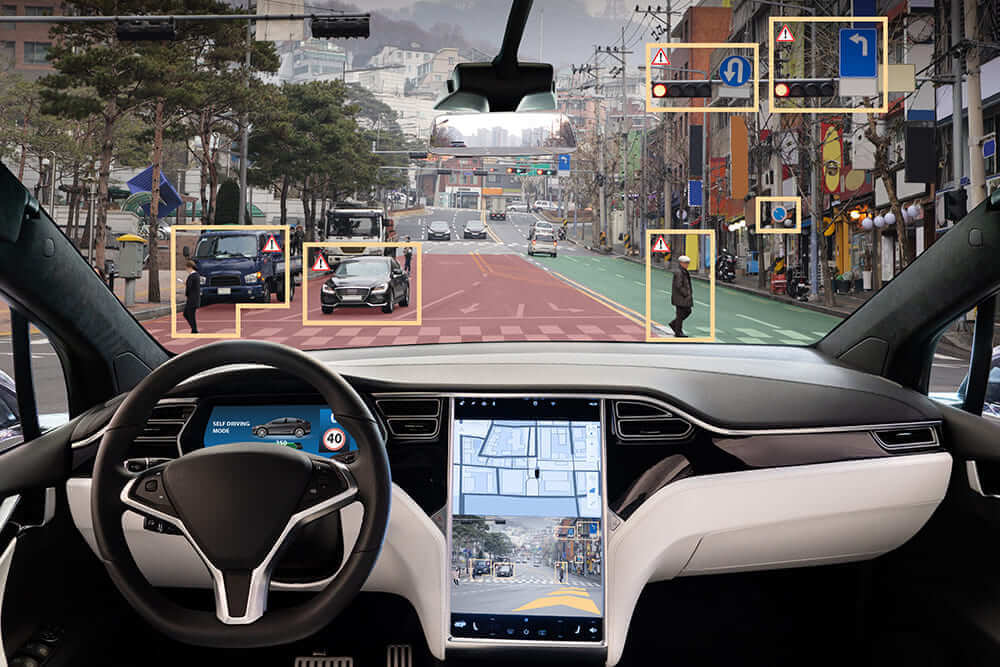
Self-driving cars, also known as autonomous vehicles (AVs), are vehicles that use various sensors, cameras, and advanced software to operate and navigate without human intervention. Self-driving cars are becoming increasingly popular due to their potential to reduce the number of accidents caused by human error and increase transportation efficiency.
Self-driving cars rely on a combination of technologies such as Lidar, Radar, and cameras to detect and respond to road conditions, other vehicles, and pedestrians. They use machine learning algorithms and artificial intelligence to process the data collected by these sensors, make driving decisions, and control the vehicle's movements.
More Info
While self-driving cars have the potential to transform transportation and improve safety, there are still many challenges that need to be addressed, including legal and regulatory frameworks, technical reliability, and ethical considerations. However, many companies and governments are investing in research and development to overcome these challenges and bring self-driving cars to market in the near future.
Here's a brief overview of how they work:
Overall, self-driving cars rely on a complex combination of technologies to navigate the road safely and efficiently. While the technology is rapidly advancing, there are still many challenges to overcome before self-driving cars become a common sight on the roads.